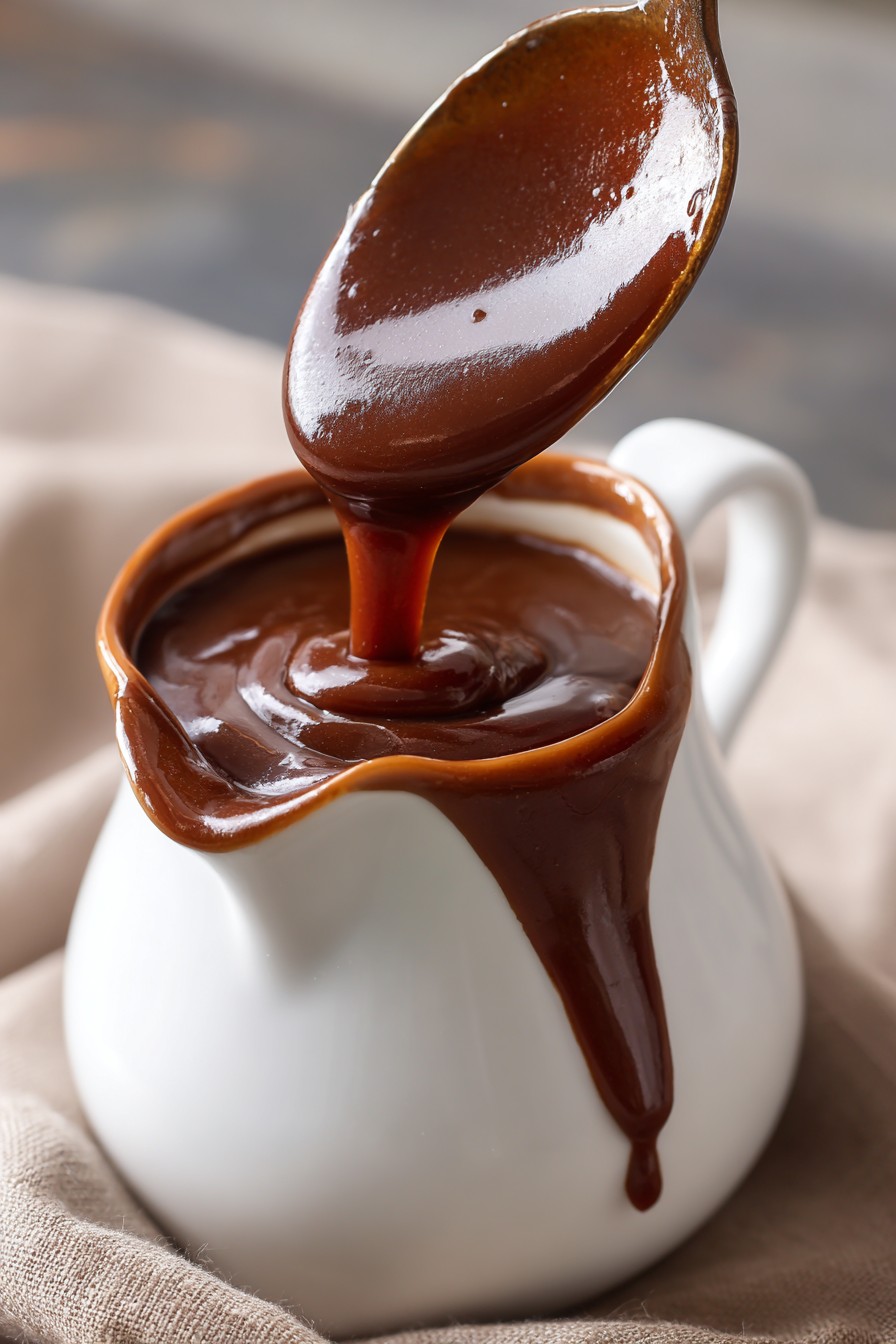
Mastering Gravy from Drippings: The Chef's Secret to Lump-Free Perfection
There's a universally acknowledged truth in the culinary world: a truly magnificent meal isn't complete without a luscious, flavorful gravy. And while store-bought options might offer convenience, nothing compares to the rich, robust depth of homemade gravy from drippings. That glorious pool of caramelized juices left in your roasting pan after cooking a chicken, turkey, beef roast, or even pork isn't just a byproduct – it's liquid gold waiting to be transformed into a velvety, umami-packed sauce. Forget the intimidation; crafting a perfect, lump-free gravy is not just achievable, it's surprisingly simple with a few chef-approved techniques. This comprehensive guide will demystify the process, turning those precious pan drippings into a culinary masterpiece that will elevate any dish, from a festive holiday feast to a comforting weeknight dinner poured generously over mashed potatoes or biscuits. Get ready to bid farewell to bland, lumpy gravies and embrace the art of the perfect pour. To ensure you conquer any fear of lumps, you might also find this article helpful: Say Goodbye to Lumpy Gravy: Make Flavorful Drippings Gravy From Scratch.The Magic of Drippings: Why Homemade Gravy Reigns Supreme
At its core, gravy is a sauce made from meat juices, typically thickened with flour or cornstarch and seasoned to perfection. But it's the *drippings* that make all the difference. When you roast meat, incredible flavors develop: the savory juices render out, caramelizing and clinging to the bottom of the pan to form what chefs call "fond." This concentrated layer of flavor is what sets homemade gravy apart. * Unparalleled Flavor Depth: Drippings capture every nuance of your roast – the herbs, the spices, the rich meaty essence. This cannot be replicated by pre-packaged gravies, which often rely on artificial flavors or generic broths. * Natural Umami Boost: The fond, once deglazed, infuses the gravy with incredible umami, the fifth basic taste that makes food profoundly satisfying. * Versatility Across Meats: Whether you've roasted a succulent turkey, a crispy-skinned chicken, a tender beef roast, or a juicy pork loin, the same fundamental principles apply. Each type of dripping offers its unique flavor profile, allowing for a personalized gravy experience every time. Even vegetarian versions can be made using roasted vegetable drippings! * Economic and Sustainable: Why let those flavorful juices go to waste? Transforming them into gravy is not only cost-effective but also respects the ingredients, ensuring no delicious morsel is overlooked.Essential Ingredients and Tools for Perfect Gravy from Drippings
The beauty of homemade gravy lies in its simplicity. You don't need a pantry full of exotic ingredients; just a few staples and the right technique.Key Ingredients:
- Pan Drippings: The star of the show. Aim for roughly ¼ cup, but don't panic if you have more or less; gravy is forgiving!
- Unsalted Butter: Often used to supplement drippings if you don't have enough fat, or to create a richer roux.
- All-Purpose Flour: The thickening agent. It forms the roux with the fat, providing body and a silky texture.
- Broth or Stock: Chicken, turkey, beef, or vegetable stock should complement your drippings. Use low-sodium options to control seasoning.
- Salt and Freshly Ground Black Pepper: To taste, essential for balancing flavors.
- Optional Enhancers:
- Worcestershire Sauce: A splash adds a fantastic depth of umami, particularly good with beef gravy.
- Fresh Herbs: Rosemary, thyme, or sage can be added during simmering for aromatic notes.
- Garlic/Onion Powder: For an extra layer of savory flavor.
Essential Tools:
- Saucepan: A heavy-bottomed saucepan provides even heat distribution.
- Whisk: Your most crucial tool for achieving a lump-free consistency. A balloon whisk works wonders.
- Fat Separator (Optional but Recommended): This handy tool makes it easy to separate the fat from the meat juices, ensuring your gravy isn't overly greasy.
- Fine-Mesh Sieve or Strainer: For straining the finished gravy, guaranteeing a silky-smooth, restaurant-quality consistency.
- Spatula or Wooden Spoon: For scraping up fond and stirring.
Step-by-Step: Mastering Lump-Free Gravy from Drippings
The journey to perfect gravy begins with understanding each crucial step.1. Preparing Your Drippings
Once your roast is out of the pan, carefully pour the contents into a fat separator or a heatproof measuring cup. Allow the fat to rise to the top. Skim off most of the fat, leaving about 2-3 tablespoons of flavorful drippings and the precious fond stuck to the bottom of the pan. If you don't have enough drippings, supplement with unsalted butter to reach your desired fat quantity.
2. Crafting the Perfect Roux
Return the roasting pan (if stovetop-safe) or transfer the separated drippings and fond to your saucepan. Place over medium heat. Add any additional butter needed to your fat. Once melted and shimmering, sprinkle in an equal amount of all-purpose flour (typically 2-3 tablespoons of each for every cup of liquid you plan to add). Whisk constantly for 1-2 minutes, creating a smooth paste known as a roux. Cook the roux until it's a light golden color, ensuring the raw flour taste is cooked out. For darker gravies, like beef, you can cook it a little longer to a nuttier, darker brown, adding more depth.
3. The Art of Whisking in Liquid (The Anti-Lump Strategy)
This is where many gravies go awry, and it's the most critical step for achieving a lump-free result. Gradually, slowly, and methodically, whisk in your chosen stock. Add the stock in small increments, about ½ cup at a time. After each addition, whisk vigorously until the liquid is fully incorporated into the roux and smooth before adding more. This gradual process allows the flour in the roux to fully hydrate and expand without clumping. Resist the urge to dump all the liquid in at once!
4. Simmering for Flavor and Consistency
Once all the stock is incorporated, bring the gravy to a gentle simmer over medium heat, whisking occasionally. Let it simmer for 10-15 minutes. This simmering time is crucial for several reasons: it allows the gravy to thicken to your desired consistency, ensures the flour is fully cooked out (preventing a raw, pasty taste), and gives all the flavors time to meld beautifully together.
5. Finishing Touches and Seasoning
Taste your gravy! This is the time to adjust seasonings. Add salt, pepper, and any optional enhancers. A splash of Worcestershire sauce can add a wonderful layer of umami, especially for beef or turkey gravy. You can also stir in fresh, finely chopped herbs like thyme or rosemary for an aromatic finish. If you desire a richer color, a tiny dash of kitchen bouquet or a browning agent can be added sparingly.
6. The Final Strain for Silky Smoothness
For that truly professional, restaurant-quality texture, pass your finished gravy through a fine-mesh sieve into a clean serving vessel. This step removes any small lumps that might have formed, stray bits of fond that cooked too dark, or pieces of herbs, ensuring an incredibly smooth, luxurious gravy. Press any solids against the sieve to extract maximum flavor.
Troubleshooting Common Gravy Mistakes
Even seasoned cooks encounter challenges. Here's how to fix common gravy mishaps:- Lumpy Gravy: The primary culprit is adding liquid too quickly to the roux. If you find yourself with lumps, don't despair! Pass the gravy through a fine-mesh sieve, pressing the lumps through with a spoon or spatula. For extreme cases, an immersion blender can rescue it, but straining is usually sufficient.
- Gravy is Too Thin: If your gravy isn't thickening, it might need more simmering time, or your roux-to-liquid ratio was off. You can fix this by making a "slurry": whisk a tablespoon of flour or cornstarch with an equal amount of cold water until smooth. Gradually whisk this slurry into your simmering gravy until it reaches your desired thickness. Cook for at least 2-3 minutes after adding the slurry to cook out the raw taste.
- Gravy is Too Thick: Easily remedied! Simply whisk in a little more warm stock, water, or even milk/cream until it reaches your desired consistency.
- Greasy Gravy: This happens when you haven't separated enough fat from your drippings. If your finished gravy tastes oily, let it sit for a few minutes, then skim the excess fat from the surface with a spoon. A fat separator used at the beginning is your best defense against this.
- Bland Gravy: The solution is always to taste and adjust! Add more salt, freshly ground black pepper, or a dash more Worcestershire sauce. A pinch of garlic powder or onion powder can also awaken the flavors. Sometimes, a squeeze of lemon juice at the very end can brighten the overall taste.
