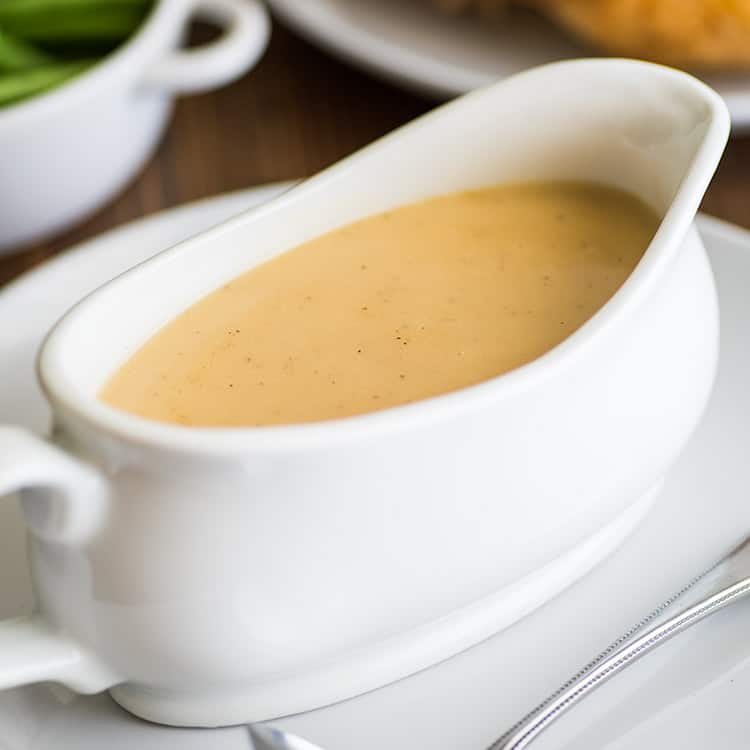
The Ultimate Drippings Gravy: Turkey, Beef, Chicken & Better Than Jarred
There's a magical moment in every home cook's journey when a perfectly roasted turkey, a succulent beef roast, or a golden-brown chicken emerges from the oven. But the true unsung hero isn't just the glistening meat; it's the glorious pool of golden-brown drippings left behind in the pan. These precious pan juices, often overlooked, are the secret ingredient to creating the most rich, robust, and utterly unforgettable homemade gravy. Forget the bland, store-bought jars – learning how to make gravy from drippings is not just easy, it's a culinary revelation that will elevate any meal.
From the foundational flavors of a Thanksgiving feast to the humble weeknight mashed potatoes, a well-made gravy transforms the ordinary into the extraordinary. Professional chefs and grandmothers alike agree: wasting those deep, caramelized flavors clinging to the pan is a culinary misstep. This comprehensive guide will show you how to harness that "liquid gold" to create a thick, velvety, and lump-free gravy using turkey, chicken, beef, or even pork drippings, ensuring every spoonful is packed with unparalleled flavor.
The Unrivaled Flavor of Homemade Gravy from Drippings
What makes gravy from drippings so undeniably superior to its jarred counterparts? It all comes down to authenticity and depth. When meat roasts, it releases juices and fats that caramelize and develop intense flavors, known as "fond," at the bottom of the pan. These are the very essence of your roast, capturing all the nuances of your seasoning, the meat itself, and any aromatics used during cooking.
Jarred gravies, by necessity, rely on generic stocks and artificial flavorings that simply cannot replicate this organic flavor development. They lack the bespoke character that comes from using the actual juices of your specific roast. By creating gravy from drippings, you're not just making a sauce; you're extending the flavor profile of your main course, making every component of the meal sing in harmony.
Gravy, in its simplest definition, is a sauce made from meat juices, thickened (typically with flour or cornstarch) and seasoned. While other cultures have their own interpretations (like Italian "gravy" for red sauce), for us, it's about that rich, savory elixir poured over creamy mashed potatoes, fluffy buttermilk biscuits, or, of course, the roasted meat itself. It's an essential part of a traditional holiday dinner, but also phenomenal for everyday indulgence.
Mastering the Art: A Step-by-Step Guide to Perfect Gravy from Drippings
Creating a luscious, lump-free gravy might seem daunting, but it's fundamentally a straightforward process that relies on a few key techniques. This basic recipe is incredibly forgiving and adaptable, ensuring success whether you're working with beef, chicken, turkey, or pork drippings.
Step 1: Prepare Your Pan Drippings
- Harvest the Drippings: Once your roast is out of the oven, carefully pour the pan drippings into a fat separator or a heat-proof measuring cup.
- Skim the Fat: For a less greasy gravy, allow the drippings to sit for a few minutes, letting the fat rise to the top. Skim off most of the clear fat, leaving behind the concentrated, flavorful meat juices at the bottom. Aim for about 1/4 cup of fat and 1/4 cup of meat juices, or adjust as needed (more drippings allow for more butter/flour).
- Deglaze the Pan (Optional, but Recommended): If there's a good amount of flavorful fond stuck to the bottom of your roasting pan, return the pan to the stovetop over medium heat. Add a splash of liquid (water, broth, wine, or even a little sherry) and scrape up those caramelized bits with a wooden spoon. This "deglazing" step adds incredible depth and flavor to your drippings.
Step 2: Create the Roux – The Foundation of Thickness
The roux is critical for a smooth, thick gravy. It's a cooked mixture of fat and flour that provides both body and flavor.
- Melt the Fat: In a saucepan (or the roasting pan on the stovetop), melt 1/4 cup of butter (or the reserved fat from your drippings) over medium heat.
- Whisk in Flour: Gradually whisk in 1/4 cup of all-purpose flour. Stir constantly for 1-2 minutes, allowing the flour to cook out its raw taste and achieve a pale golden color. This forms your roux. The flour will absorb the fat and create a thick paste.
Step 3: Gradually Add Liquid for a Lump-Free Gravy
This is arguably the most crucial step for achieving a silky, lump-free gravy. Patience is key!
- Slowly Whisk in Liquid: Begin by slowly whisking in about 1/2 cup of your reserved meat drippings into the roux. Continue whisking until it's fully incorporated and smooth.
- Add More Stock: Gradually add 2-3 cups of complementary stock or broth (chicken stock for chicken gravy, beef stock for beef gravy, etc.), about 1/2 cup at a time, whisking continuously after each addition. The gradual addition allows the roux to slowly absorb the liquid, preventing lumps from forming. If you add it too fast, the flour will clump.
Pro Tip: Avoid the common mistake of adding flour directly to liquid to thicken gravy. This will almost certainly result in stubborn lumps that are nearly impossible to remove!
Step 4: Simmer and Season to Perfection
- Simmer for Flavor: Bring the gravy to a gentle simmer, whisking occasionally. Reduce the heat to low and let it simmer for at least 10-15 minutes. This simmering time is vital: it allows the flour to fully cook out any remaining raw taste, and more importantly, it gives all the flavors a chance to meld and deepen beautifully.
- Season Thoughtfully: Taste your gravy. Season with salt and freshly ground black pepper. Depending on the type of roast, consider adding a splash of Worcestershire sauce (especially for beef gravy for an umami boost), a pinch of dried sage or thyme (excellent for turkey or chicken), or a dash of sherry for complexity.
Step 5: Strain for Silky Smoothness (Optional, but Recommended)
For that restaurant-quality, velvety consistency, pass your finished gravy through a fine-mesh sieve into a clean serving vessel. This step removes any small lumps, bits of cooked-down aromatics, or overly dark fond particles, ensuring a perfectly smooth gravy every time. For more in-depth techniques, explore Say Goodbye to Lumpy Gravy: Make Flavorful Drippings Gravy From Scratch.
Troubleshooting Common Gravy Mistakes
Even with the best intentions, things can go awry. Here’s how to fix common gravy mishaps:
- Lumpy Gravy: If despite your best efforts, you end up with lumps, don't despair! You can use an immersion blender directly in the saucepan to smooth it out. Alternatively, pour the gravy into a regular blender or food processor and blend until smooth, then return to the pan. Finally, straining through a fine-mesh sieve is always a good last resort.
- Greasy Gravy: If you didn't skim enough fat, your gravy might taste too oily. You can skim fat from the surface of the finished gravy with a spoon, or float a piece of bread on top to absorb some oil. For serious greasiness, chill the gravy; the fat will solidify on top, making it easy to lift off.
- Too Thin Gravy: If your gravy isn't thick enough after simmering, you have a few options. You can simply continue to simmer it gently to reduce and thicken it naturally. Or, make a quick slurry: whisk together 1 tablespoon of cornstarch (or flour) with 1 tablespoon of cold water until smooth, then slowly whisk it into the simmering gravy. Let it simmer for another minute or two to thicken. Repeat if necessary.
- Too Thick Gravy: This is an easy fix! Simply whisk in a little more warm stock, broth, or even water, a tablespoon at a time, until it reaches your desired consistency.
- Bland Gravy: If your gravy lacks punch, it probably needs more seasoning. Add a pinch more salt and pepper, a dash of soy sauce or Worcestershire for umami, a squeeze of lemon juice for brightness, or even a tiny amount of concentrated bouillon or Better Than Bouillon paste. A fresh herb sprig simmered in the gravy can also infuse flavor.
Beyond the Basics: Elevating Your Gravy from Drippings
Once you've mastered the basic technique for gravy from drippings, you can begin to experiment with additional flavors and enhancements:
- Aromatics: Sauté finely minced shallots or garlic in the butter before adding the flour for the roux.
- Herbs & Spices: Add fresh thyme, rosemary, or bay leaves during the simmering stage. A pinch of paprika or a touch of cayenne can also add warmth.
- Wine or Spirits: A splash of dry red wine (for beef), white wine, sherry, or even brandy can add incredible depth. Add it after deglazing the pan or after the roux, letting it reduce slightly before adding the main liquid.
- Umami Boosters: Besides Worcestershire, consider a tiny bit of soy sauce, mushroom powder, or a dash of Marmite/Vegemite for an extra savory kick, especially for vegetarian gravies (made from roasted vegetable drippings).
The beauty of homemade gravy is its incredible versatility. While it's a staple for holiday roasts, don't limit yourself! Pour it generously over creamy mashed potatoes, serve it with fried chicken and biscuits, make a classic poutine with cheese curds and fries, or use it as a base for shepherd's pie. Whether it's chicken gravy, turkey gravy, or rich beef gravy, the principles remain the same, and the delicious results are guaranteed.
Conclusion
Making gravy from drippings is not just a cooking technique; it's an act of culinary reverence, transforming the humble remnants of a roast into a sauce that defines comfort and flavor. It's easier, more delicious, and infinitely more satisfying than anything you'll find in a jar. By following these steps and understanding the nuances of roux and gradual liquid addition, you'll be well on your way to crafting a thick, rich, and lump-free gravy every single time. So next time you pull a magnificent roast from the oven, remember the liquid gold at the bottom of the pan – it's your ticket to the ultimate homemade gravy experience.
