The Golden Secret: Unlocking Unforgettable Flavor with Homemade Gravy From Drippings
Imagine the aroma filling your kitchen as you pull a beautifully roasted turkey, chicken, or beef from the oven. Below, a glistening pool of pan drippings beckons, promising more than just a leftover—it’s the foundation for the most incredible, flavor-packed
gravy from drippings you’ll ever taste. For too long, many have settled for lackluster, store-bought alternatives or faced the daunting challenge of lumpy, uninspired homemade attempts. But what if we told you that creating a rich, velvety, lump-free gravy is not only easy but deeply satisfying?
Forget what you think you know about complicated sauces. This guide will reveal the simple yet profound techniques to transform those precious pan juices into a culinary masterpiece. Whether you're preparing a traditional holiday feast or simply elevating a weeknight meal with creamy mashed potatoes and roasted meat, learning to make
gravy from drippings is a game-changer. It’s a skill passed down through generations, embodying the essence of comfort food and making the most of every delicious morsel.
Why Homemade Gravy From Drippings Reigns Supreme
There’s an undeniable magic in homemade
gravy from drippings that simply cannot be replicated by any jarred product. This isn’t just about making gravy; it’s about capturing the very soul of your roast. Here’s why it’s worth every minute:
- Unrivaled Flavor Depth: Those golden-brown drippings are a concentrated treasure trove of flavor. As your meat cooks, its juices caramelize and mingle with any aromatics in the pan (onions, garlic, herbs), creating what chefs call fond – the delicious browned bits stuck to the bottom. Using these drippings ensures your gravy carries the exact, nuanced taste profile of your roast.
- No Wasted Goodness: Grandma knew it best – wasting those precious pan juices is practically a culinary sin! Making gravy ensures you utilize every bit of flavor developed during the roasting process, turning potential waste into liquid gold.
- Superior Texture: With the right technique, homemade gravy boasts a silky-smooth, luscious texture that coats the palate beautifully. Unlike some commercial gravies that can be overly gelatinous or thin, a properly made roux-based gravy hits all the right notes.
- Complete Control: You dictate the seasoning, thickness, and richness. Want it extra savory? A splash of Worcestershire sauce or a touch more herbs. Prefer it thicker or thinner? Easy adjustments are at your fingertips.
The Unbeatable Foundation: Crafting Your Perfect Roux
The secret to a thick, smooth, and lump-free
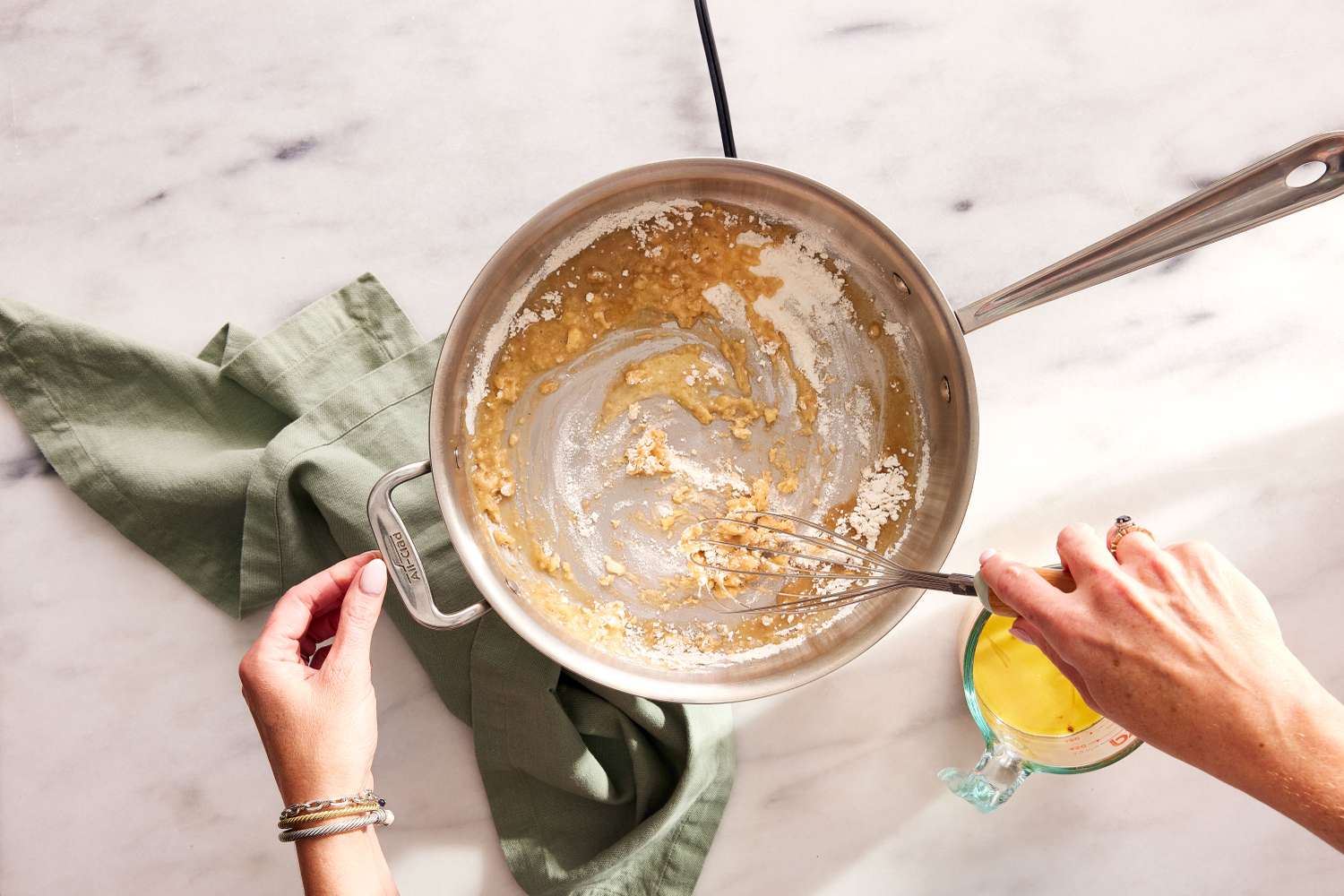
gravy from drippings lies in mastering the roux. A roux is a simple mixture of fat and flour cooked together, forming the essential thickening agent for your gravy.
1. Preparing Your Drippings: The Flavorful First Step
Before you even think about flour, you need to collect and prepare your pan drippings.
- Separate the Fat: After removing your roast, carefully pour the pan drippings into a fat separator or a heatproof glass measuring cup. Allow it to sit for a few minutes; the fat will rise to the top. Skim off most of the fat, reserving about ¼ cup for your roux. You can discard the rest or save it for other cooking.
- Deglaze the Pan (Optional but Recommended): If you have delicious browned bits (fond) stuck to the bottom of your roasting pan, this is where the magic happens. Place the pan over medium heat on your stovetop (or two burners if it's large). Add a splash of stock, water, or even wine, scraping the bottom with a wooden spoon to release all those flavorful bits. Pour this liquid into your reserved drippings. This enriches your base significantly.
2. Building the Roux: The Thickening Powerhouse
Now for the roux itself.
- Melt the Fat: In a saucepan over medium heat, melt ¼ cup of the reserved fat (or unsalted butter if you have less fat or prefer a milder flavor).
- Whisk in Flour: Once the fat is melted and shimmering, slowly whisk in ¼ cup of all-purpose flour. Continue to whisk constantly for 1-2 minutes. The mixture will form a paste.
- Cook the Roux: Keep whisking and cooking the roux for another 1-2 minutes. This crucial step cooks out the raw flour taste, preventing your gravy from having a pasty or unappetizing flavor. The roux should turn a pale golden color, like peanut butter.
Mastering the Pour: Achieving Lump-Free Perfection
This is where many home cooks falter, leading to the dreaded lumpy gravy. The key to a silky-smooth result when making
gravy from drippings is *patience* and *technique* when adding liquid.
- Warm Your Liquid: Have 2-3 cups of warm (not cold) stock (chicken, turkey, beef, or vegetable, depending on your roast) ready. Warming the stock helps it incorporate more smoothly into the roux.
- Add Slowly, Whisk Constantly: Here’s the critical part: slowly whisk in the warm stock, about ½ cup at a time, into your roux. Whisk vigorously after each addition, ensuring it’s fully incorporated and smooth before adding the next batch. This gradual approach allows the roux to loosen and absorb the liquid without clumping.
- The Lumpy Gravy Fix (Prevention): The two main culprits for lumpy gravy are adding liquid too fast or adding flour directly to hot liquid. By slowly whisking in stock, you prevent flour from clumping. If you ever find yourself with lumps, vigorous whisking and a final strain will be your savior!
Simmer, Season, and Strain: The Finishing Touches
Once all the liquid is incorporated, your gravy is almost ready for its grand debut.
- Simmer for Flavor Development: Bring the gravy to a gentle simmer, stirring occasionally. Let it simmer for a full 15-20 minutes. This extended simmering time allows the flour to fully cook out any remaining raw taste and, more importantly, lets all the flavors meld together beautifully. The gravy will also thicken further during this stage.
- Season to Perfection: Taste your gravy. This is your moment to adjust. Add salt and freshly ground black pepper to your liking. A splash of Worcestershire sauce (especially for beef gravy) adds a wonderful umami depth without overpowering the delicate pan juices. You might also consider a pinch of dried thyme, sage, or rosemary, or even a dash of sherry or red wine for extra complexity.
- Strain for Silky Smoothness: For that restaurant-quality, velvety consistency, pour your finished gravy through a fine-mesh sieve into a clean serving vessel. This removes any small lumps, stray herb bits, or pieces of fond that might have cooked too dark. The result? A perfectly smooth, luscious gravy.
Troubleshooting Common Gravy Challenges
Even seasoned cooks encounter issues. Here's how to fix common problems when making
gravy from drippings:
- Lumpy Gravy: If prevention failed, don't panic! Pour the gravy through a fine-mesh sieve, pressing any lumps with the back of a spoon. For stubborn lumps, an immersion blender or standard blender can smooth it out quickly.
- Gravy Too Thin: In a separate small bowl, whisk 1 tablespoon of flour or cornstarch with 2 tablespoons of cold water to create a slurry. Gradually whisk this slurry into the simmering gravy and cook for a few more minutes until thickened.
- Gravy Too Thick: Simply whisk in a little more warm stock, water, or even a splash of milk or cream until it reaches your desired consistency.
- Gravy Too Bland: This usually means it needs more salt, pepper, or a boost of umami. Add a dash of soy sauce, Worcestershire, a pinch of a bouillon cube, or more roasted drippings/fond. A squeeze of lemon juice at the very end can also brighten flavors.
- Gravy Too Greasy: If you didn't skim enough fat initially, you can use a ladle to skim excess fat from the surface of the finished gravy.
Versatility Beyond Belief: Adapting Your Gravy
The beauty of this fundamental technique for
gravy from drippings is its incredible versatility. The same basic method applies whether you're working with different meats or even aiming for a vegetarian option.
- Turkey Gravy: The quintessential holiday sauce. Use turkey drippings and turkey or chicken stock. A touch of sage or thyme complements the flavors beautifully. For more in-depth guidance on perfecting your holiday gravy, check out our Master Gravy from Drippings: Chef's Guide to Lump-Free Perfection.
- Chicken Gravy: A fantastic addition to roasted chicken, mashed potatoes, or biscuits. Use chicken drippings and chicken stock.
- Beef Gravy: Robust and savory, perfect for roast beef or Yorkshire puddings. Beef drippings and beef stock are essential, often enhanced with Worcestershire sauce, a splash of red wine, or even a pinch of dried porcini mushroom powder for extra depth.
- Pork Gravy: Rich and comforting, ideal for pork roasts or chops. Use pork drippings and chicken or pork stock, often with a hint of apple cider or mustard.
- Vegetarian Gravy (Without Drippings): Even without meat drippings, you can make a phenomenal gravy. Start with butter for the roux, use rich vegetable stock, and consider adding sautéed mushrooms, nutritional yeast, or a dash of liquid smoke for umami depth. Discover more ways to achieve the perfect gravy, with or without drippings, in The Ultimate Drippings Gravy: Turkey, Beef, Chicken & Better Than Jarred.
Conclusion
Say goodbye to the days of lumpy, bland, or store-bought gravy. Embracing the simple yet profound art of making
gravy from drippings transforms an ordinary meal into an extraordinary culinary experience. By understanding the role of the roux, mastering the slow pour, and giving your gravy time to simmer and meld, you unlock a depth of flavor and a silky texture that elevates everything it touches. So next time you roast meat, view those pan drippings not as remnants, but as the golden opportunity to create a truly unforgettable homemade sauce. Your taste buds (and your guests) will thank you.